
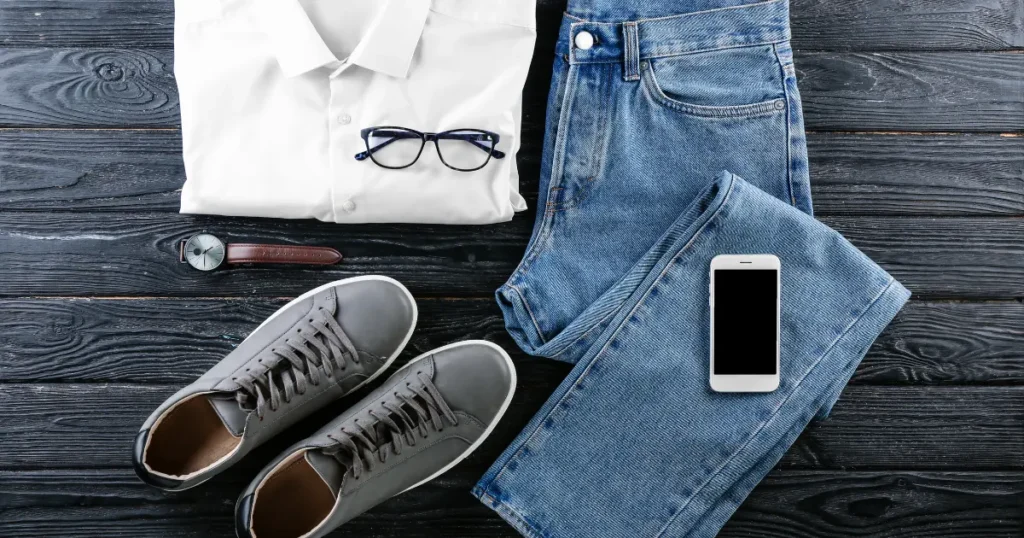
Cheap Clothing Survival Guide (2026): How to Look Clean, Normal, and Job-Ready on a Tight Budget

You don’t need designer clothes. You don’t need to be fashionable. You need to look clean, put-together, and like someone an employer would hire.

This guide covers:

  • Where to get free or cheap clothes immediately
  • Building a $50-150 functional wardrobe
  • Which stores have the best value
  • Why shoes matter more than you think
  • How to keep clothes clean on a budget

This isn’t about looking rich. It’s about looking employable and maintaining dignity while broke.


If You Need Clothes Right Now

Free Clothing Resources

Free clothing closets:

  • Call 211 and ask for “clothing assistance” or “free clothing”
  • Churches often have free clothing closets (no questions asked)
  • Salvation Army and Goodwill sometimes offer free clothing vouchers
  • Local community centers and reentry programs

Where to search: Google: “[your city] free clothing closet” or “[your city] clothing bank”

What to expect:

  • Used clothing, varying condition
  • Limited selection
  • First-come, first-served
  • Bring ID if required (most don’t require it)

Thrift Stores ($1-10 Per Item)

Best options:

  • Goodwill: Shirts $3-8, pants $5-10, shoes $5-15
  • Salvation Army: Similar pricing, often cheaper
  • Local thrift shops: Prices vary, often cheaper than chains
  • St. Vincent de Paul: Catholic charity thrift stores

Pro tip: Shop on discount days (many thrift stores have 50% off days weekly).


Discount Retailers ($5-20 Per Item)

If you have $30-50 to spend:

Walmart:

  • Basic t-shirts: $5-8
  • Jeans: $15-20
  • Hoodies: $10-15
  • Shoes: $15-25

Target (Goodfellow & Co, All in Motion brands):

  • Slightly better quality than Walmart
  • Basics: $8-15
  • Jeans: $20-30

Ross / Marshalls / TJ Maxx:

  • Name-brand items at discount
  • Hit-or-miss inventory
  • Shirts: $7-15
  • Pants: $12-25

The $50-150 Starter Wardrobe (Minimal & Functional)

Goal: Maximum functionality, minimum cost. Everything mixes and matches.

$50 Emergency Wardrobe (Bare Minimum)

Buy at Walmart or thrift store:

  • 2 solid-color t-shirts (black, gray, navy): $10-12
  • 1 pair of jeans (dark wash, no rips): $10-15
  • 1 hoodie or zip-up jacket (neutral color): $10-15
  • 1 pair of cheap sneakers: $15-20
  • Socks (6-pack): $5-8
  • Underwear (6-pack): $8-12

Total: $58-92

This gives you:

  • Clean outfit for job interviews
  • Backup shirt for rotation
  • Basic layering for weather
  • Enough socks/underwear for a week

$100-150 Functional Wardrobe (Recommended)

Add to the emergency wardrobe:

  • 1 more pair of pants (khakis or dark jeans): $15-20
  • 1 button-up shirt or polo (for interviews): $10-15
  • 1 second pair of shoes (work boots or better sneakers): $25-40
  • 1 belt (if pants have belt loops): $5-10

Total: $55-85 additional = $115-175 total wardrobe

Now you have:

  • 2 complete outfits
  • Interview-appropriate option
  • Durable shoes for work
  • Rotation to keep clothes cleaner longer

Color Strategy (Critical for Tight Budgets)

Stick to neutral colors:

  • Black
  • Gray
  • Navy blue
  • Tan/khaki

Why: Everything matches everything. You can rotate 2-3 shirts with 2 pairs of pants and look like you have 6 different outfits.

Avoid:

  • Bright colors (limit mixing options)
  • Graphic tees with logos or slogans (look unprofessional)
  • White shirts (stain easily, require more washing)

Best Cheap Clothing Stores (Ranked by Value)

Thrift Stores (Best Value)

Goodwill / Salvation Army:

  • Pros: Cheapest option, sometimes find name brands
  • Cons: Hit-or-miss inventory, used condition
  • Best for: Jeans, jackets, shoes (check carefully for wear)
  • Average cost: $3-10 per item

Pro tip: Shop in wealthier neighborhoods—better donations, same prices.


Walmart (Best New Basics)

Pros:

  • Consistent inventory
  • New condition
  • Cheap basics that last 6-12 months

Cons:

  • Lower quality than Target or name brands
  • Limited style options

Best buys:

  • T-shirts: $5-8
  • Jeans: $15-20
  • Hoodies: $10-15
  • Socks/underwear: $5-12 per pack

Target (Budget Line)

Goodfellow & Co (men), All in Motion, Universal Thread (women):

Pros:

  • Better quality than Walmart
  • Still affordable ($8-30 per item)
  • Decent style

Cons:

  • Slightly more expensive

Best buys:

  • Basic tees: $8-12
  • Chinos/pants: $20-30
  • Athletic wear (if you work physical jobs)

Ross / Marshalls / TJ Maxx (Name Brands Discounted)

Pros:

  • Name-brand items at 30-70% off
  • Sometimes find $50 jeans for $15

Cons:

  • Inconsistent inventory (need to dig)
  • Limited sizes

Best for: Jeans, jackets, shoes (if you find your size).


Shoes: Where You Should NOT Go Cheap

The rule: Ultra-cheap shoes ($10-15) fall apart in 1-3 months and hurt your feet. Spending $25-40 on decent shoes saves money long-term.

Why Shoes Matter

Bad shoes cause:

  • Foot, knee, and back pain (especially if you stand all day)
  • Frequent replacements (cheap shoes last 2-3 months max)
  • Blisters and injuries

If you work on your feet, invest in shoes.


Cheap But Functional Shoe Options

$25-40 range (best value):

Walmart / Target:

  • Athletic shoes: $20-30
  • Work boots: $30-40
  • Not amazing quality, but last 6-12 months

Thrift stores:

  • Check carefully for sole wear and odor
  • Good brands (Nike, Adidas, New Balance) sometimes available for $10-20
  • Only buy if they’re in good condition

Amazon / Zappos (sales/clearance):

  • Name-brand shoes on clearance: $30-50
  • Better quality than Walmart for similar price

Shoes to Avoid

❌ Ultra-cheap shoes ($10-15):

  • Fall apart in weeks
  • No arch support
  • Cause pain

❌ Used dress shoes from thrift stores:

  • Often worn out soles
  • Fit issues
  • Hard to resole cheap shoes

✓ Best strategy: Buy one decent pair for $30-40, wear them until they fall apart, then replace.


Why Clean Clothes Matter More Than Expensive Clothes

People don’t notice brand names. They notice:

  • Stains
  • Wrinkles
  • Smell
  • Holes or tears

A clean $8 Walmart t-shirt looks better than a dirty $60 name-brand shirt.

First Impressions Matter

Job interviews: Employers judge you in the first 30 seconds. Clean, simple clothes = “this person has their life together.” Dirty or sloppy clothes = rejection.

Social interactions: People avoid those who look unkempt. Clean clothes = people treat you normally.

Self-confidence: Looking presentable improves how you feel. When you look decent, you act more confident.


Small Upgrades Make Big Differences

Going from:

  • Ripped, stained jeans → clean, intact jeans
  • Faded graphic tee → solid-color t-shirt
  • Worn-out sneakers → clean, functional shoes

These changes cost $30-50 but dramatically improve how you’re perceived.

You’re not trying to impress anyone. You’re trying to not be dismissed on sight.


Laundry on a Budget

Laundromat Costs

Average:

  • Wash: $3-5 per load
  • Dry: $2-4 per load
  • Total per load: $5-9

If you do laundry weekly: $20-36/month


Washing Clothes by Hand (Save Money)

What you need:

  • Bucket or sink
  • Cheap detergent ($3-5)
  • Place to hang clothes

Method:

  1. Fill bucket/sink with warm water
  2. Add small amount of detergent
  3. Soak clothes 10-15 minutes
  4. Scrub by hand
  5. Rinse with clean water
  6. Wring out and hang dry

Time: 20-30 minutes
Cost per wash: $0.20-0.40

Best for: Underwear, socks, t-shirts, light pants

Use laundromat for: Heavy items (jeans, hoodies, towels)

This cuts laundry costs by 50-70%.


Keeping Clothes Fresh Longer

Strategies to reduce washing:

Air out clothes after wearing:

  • Hang them up instead of throwing in a pile
  • Reduces smell buildup

Spot clean stains immediately:

  • Dab with wet cloth + soap
  • Prevents permanent stains

Rotate outfits:

  • Don’t wear the same shirt 3 days straight
  • Gives clothes time to air out

Wear undershirts:

  • Protects outer shirts from sweat
  • Outer shirts stay cleaner longer

Deodorant is mandatory:

  • Prevents armpit stains and odor on shirts

Smell Control

If clothes start smelling but look clean:

  • Wash with baking soda (cheap, $1-2 per box)
  • Vinegar in rinse cycle (kills odor)
  • Hang in sunlight (UV kills bacteria)

Never spray cologne on dirty clothes.
It makes the smell worse. Wash them.


What NOT to Waste Money On

❌ Fashion Trends

Examples:

  • Ripped jeans (you can get holes for free by wearing clothes)
  • Trendy graphic tees ($20-30 each)
  • “Athleisure” unless you actually work out

Why it’s wasteful:
Trends change. You’re buying clothes that’ll look dated in 6 months.

Stick to timeless basics: solid colors, simple cuts, neutral tones.


❌ Brand Hype

Examples:

  • $60 Nike t-shirt vs. $8 Walmart t-shirt
  • $150 designer jeans vs. $20 Walmart jeans

Reality check:
For basic clothing, you’re paying for a logo. The $8 shirt functions identically to the $60 shirt.

Exception: Shoes and work boots (quality matters).


❌ Impulse Clothing Buys

The trap:

  • See a cheap shirt at Goodwill for $3
  • “It’s only $3!”
  • Buy it even though you don’t need it
  • Repeat 10 times
  • You just spent $30 on random clothes you don’t wear

Better strategy:
Make a list before shopping. Only buy what’s on the list.


❌ Clothes That Don’t Fit

Common mistake: Buying something because it’s cheap, even though it doesn’t fit right.

Result:

  • You don’t wear it
  • Wasted money
  • Still need clothes that fit

Solution:
Try things on. If it doesn’t fit, don’t buy it—even if it’s $2.


Clothing Maintenance (Make It Last)

Extend Clothing Lifespan

Simple habits that save money:

Wash less frequently:

  • Jeans: Wash every 5-7 wears (unless visibly dirty)
  • Hoodies/jackets: Wash every 3-4 wears
  • T-shirts: Wash after 1-2 wears
  • Underwear/socks: Wash after every wear

Hang dry when possible:

  • Dryers wear out fabric faster
  • Air drying is free and gentler on clothes

Fix small issues immediately:

  • Loose button? Sew it before it falls off
  • Small hole? Patch it before it gets bigger
  • Sewing kit at Dollar Tree: $1

Store clothes properly:

  • Hang or fold (don’t leave in piles on the floor)
  • Prevents wrinkles and damage

Emergency Clothing Situations

Lost All Your Clothes (Fire, Eviction, Theft)

Step 1: Call 211
They’ll connect you to emergency clothing assistance.

Step 2: Visit local churches
Many have free clothing closets for emergencies.

Step 3: Ask your case manager or social worker
They often have vouchers for Goodwill or Walmart.

Step 4: Apply for emergency assistance
Some counties offer one-time clothing vouchers ($50-100) for people in crisis.


Need Interview Clothes Urgently

Dress for Success / Career Gear:

  • Nonprofit organizations that provide free professional clothing for job interviews
  • Must have an interview scheduled
  • Google “[your city] dress for success”

What they provide:

  • Full interview outfit (shirt, pants, shoes)
  • Free
  • Keep the clothes

The Bottom Line

You don’t need expensive clothes. You need:

✓ 2-3 clean, neutral-colored shirts
✓ 1-2 pairs of intact pants
✓ 1 decent pair of shoes
✓ Clean socks and underwear

Total cost: $50-150

This is enough to:

  • Get hired
  • Maintain social dignity
  • Rotate outfits so you don’t look the same every day

Clean basics beat dirty designer clothes every time.

Focus on function, not fashion. Spend $30 on one good pair of shoes instead of $30 on trendy junk. Wash your clothes. Avoid impulse buys.

Looking employable isn’t about money—it’s about making smart choices with the little money you have.

You’ve got this.

Scroll to Top