
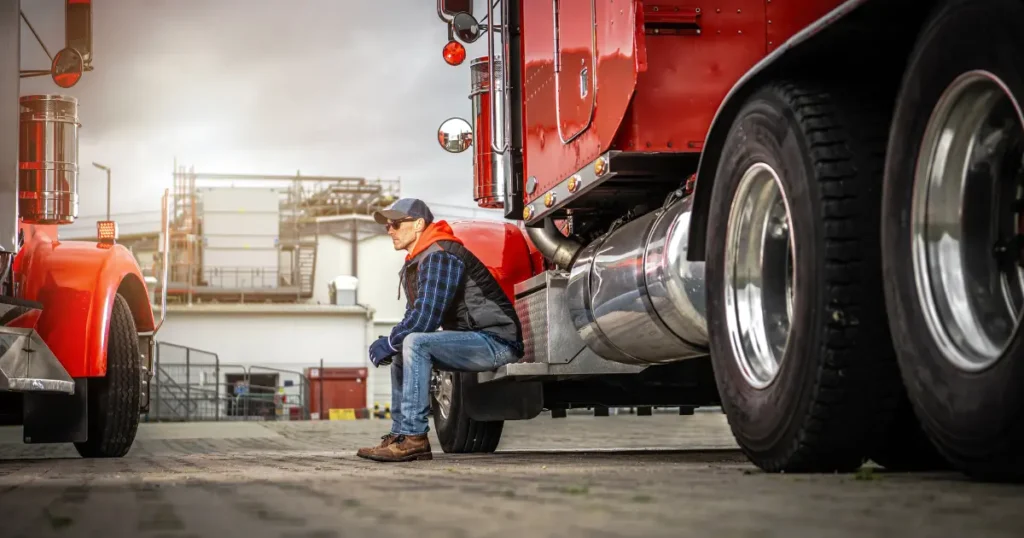
Getting a CDL with a felony is legally possible for most conviction types.
Getting hired after you have it is a different problem — and that problem has nothing to do with the state licensing office.
This page maps the full CDL path for people with records: what actually blocks you, how the process works, and where to go for each decision. If you came here looking for a fast answer, start with your conviction type and time since release. Those two factors determine almost everything else.
CDL eligibility by conviction type — quick reference
| Conviction type | CDL eligible? | Notes |
|---|---|---|
| Drug trafficking (commercial vehicle or felony) | NO | Lifetime disqualification under federal law. |
| DUI / DWI (within 10 years) | NO | One DUI in 10 years = CDL denial in most states. |
| Leaving the scene of an accident (felony) | NO | Federal disqualifier. |
| Using a vehicle in a felony | NO | Federal disqualifier. |
| Felony assault / violent crime | VARIES | Not a federal CDL bar. Company policy applies. Many carriers will hire. |
| Drug possession (non-trafficking) | USUALLY YES | State-dependent. Not a federal CDL bar. |
| Theft / burglary | USUALLY YES | Not a CDL disqualifier. Carrier acceptance varies. |
| Weapons charges | USUALLY YES | Not a federal CDL bar. Carrier policy applies. |
| Most other felonies | LIKELY YES | Federal law lists specific disqualifiers only. Everything else is carrier discretion. |
Get your motor vehicle report from your state DMV before applying to any carrier — cost is $5–15. Carriers will pull it. Know what they see before they see it.
Find out if CDL is the right path for your record
Fill out your info — we match you with CDL schools and carriers in your state that work with your conviction type. No spam.The Real Gatekeeper Is Not the State
Most people assume the state DMV decides whether they can work as a truck driver. It doesn’t.
The state issues the license. Insurance companies decide who gets hired. Trucking companies must use insurers approved for commercial carriers — and those insurers set their own eligibility rules independent of state law.
You can hold a valid CDL and still be uninsurable at 80% of carriers based on conviction type and time since release. This is the barrier most people discover after paying for training.
Common insurance restrictions: violent felonies under 7 years old, drug trafficking (often permanent), DUI within 3-5 years, multiple felonies. These are not hiring preferences — they are hard underwriting rules the company cannot override.
Understanding this system before you invest in training is the difference between a good decision and an expensive mistake. The full breakdown is here: Why Trucking Companies Say No: Insurance, Risk & Federal Restrictions →
Federal Disqualifications: What Actually Blocks the License
Most non-vehicle felonies do not federally disqualify you from obtaining a CDL. The federal permanent disqualification list is narrow: using a commercial vehicle to manufacture or distribute controlled substances. That’s it at the federal level.
Temporary disqualifications (1 year first offense, lifetime second): DUI in any vehicle, leaving the scene of a CMV accident, using a CMV to commit a felony, driving with suspended CDL, causing fatality through negligent CMV operation.
States add restrictions on top of federal minimums. Some require completed probation. Some require drug rehabilitation programs for substance convictions. Call your state DMV commercial licensing division and ask directly before you invest in school.
Drug Testing Is Where Careers End Before They Start
DOT requires pre-employment drug screening. Federal rules apply regardless of state marijuana laws — a positive test in a legal state still disqualifies you from CDL employment.
The harder problem is the FMCSA Clearinghouse, active since 2020. Every failed test is permanently recorded and visible to every trucking company. There is no starting over at a new carrier.
If you have any history with substances, read this before you apply anywhere: CDL Drug Testing Rules: What Felons Must Know →
How to Pay for Training
CDL school costs $3,000–$7,000. Three realistic paths exist for people with records:
Company-sponsored training (carrier pays, you sign 9–18 month contract at reduced pay). WIOA grants through American Job Centers (government-funded, no repayment, most formerly incarcerated qualify). Amazon Career Choice and Walmart Associate-to-Driver programs (work 90 days, employer covers training cost).
Each path has different eligibility requirements, conviction restrictions, and trade-offs. The wrong choice here costs months. How to Pay for CDL Training With a Felony →
Which Companies Will Actually Hire You
Not all carriers use the same insurance. Some use insurers that cover higher-risk drivers — this is why certain companies hire people with recent convictions when larger carriers will not. They pay more for insurance. That cost shows up in your starting pay and route assignments.
The company list matters less than understanding what to look for: which insurance tier a carrier uses, how they define “second chance,” and what their actual felony review process is versus what their website says. The full breakdown with carriers organized by tier is in the directory: CDL Companies & Schools Directory →
What the First 90 Days Actually Looks Like
Most people research getting the CDL. Almost nobody researches what happens after orientation ends and you’re assigned a truck alone.
OTR driving means weeks away from home on unpredictable schedules. First-year pay runs $40,000–$55,000 — not the $70,000–$100,000 recruiting materials show. You will be assigned the routes other drivers don’t want. You will be closely monitored as an insurance liability.
Two years clean driving record matters more than conviction history for long-term career progression. That clock starts day one of solo driving. First 90 Days as a Truck Driver: Survival Guide →
The Decision
CDL is a viable path for most people with felony records. It is not a fast path, and it is not the right path for everyone.
If your conviction involves drug trafficking, recent violent offense, or DUI within the last 3-5 years: read the insurance article first. Know your realistic hiring window before spending money on school.
If your record is older and non-violent: your main barrier is drug testing and training financing. Start there.
If you are under 21: you can obtain CDL but interstate work is federally restricted until 21. Most company-sponsored programs require 21+ for this reason.
The system is navigable. It requires accurate information about your specific situation — not general optimism about trucking as a career.
If CDL is not the right move right now — wrong timing, active probation, or you need income within weeks — Forklift Certification for Felons and Temp Agencies That Hire Felons are faster paths into the same industry.
Next Steps
→ Second Chance Employers List — 100 verified companies that hire people with records, organized by industry with background check notes and conviction type flags
→ Why Trucking Companies Say No — If your conviction is recent, start here before investing in training
→ CDL Drug Testing Rules: What Felons Must Know — Read this before you apply anywhere
→ How to Pay for CDL Training With a Felony — Company-sponsored, WIOA grants, and employer programs compared
→ CDL Companies & Schools Directory — Carriers organized by tier, CDL schools with record policies noted, updated regularly
→ First 90 Days as a Truck Driver — What happens after orientation ends