
If you or someone you love is navigating early recovery, finding stable, supportive housing can feel overwhelming. A sober living home offers more than just a roof — it’s a structured, alcohol- and drug-free environment where people in recovery can rebuild their lives alongside others who understand the journey. Whether you’re transitioning from treatment, seeking accountability after relapse, or simply need a safe space to stay sober, transitional housing like this provides the foundation for lasting change. This guide will walk you through everything you need to know about recovery housing in 2026 — from costs and rules to how to find the right fit.
Find Sober Living Homes by State
Quick Answer
What is a sober living home? A sober living home is a drug- and alcohol-free residential setting that offers structure, peer support, and accountability for people recovering from addiction. Residents pay monthly rent, follow house rules, attend meetings, and rebuild independence in a safe environment.
Table of Contents
- What Is a Sober Living Home?
- How Sober Living Homes Work
- Sober Living vs Halfway House vs Transitional Housing
- Who Can Live in Sober Living?
- Rules & Requirements
- How Much Does Sober Living Cost?
- Financial Assistance & Grants
- How to Find a Sober Living Home
- What to Expect in Your First Week
- Frequently Asked Questions
What Is a Sober Living Home?
A sober living home is a residential environment designed for people in recovery who need structure and support as they transition back to independent living. Unlike inpatient treatment centers that provide clinical care, or halfway houses that are often court-mandated, sober living homes offer a middle ground — a safe, substance-free space where residents can practice sobriety while working, attending school, or rebuilding their lives. These recovery residences focus on creating a stable foundation through peer support, personal responsibility, and daily accountability.
Most sober living homes operate as shared housing, where residents live together under agreed-upon rules and contribute to the household through rent and chores. The goal isn’t just abstinence — it’s learning to live independently while surrounded by others who understand the challenges of early recovery. This type of transitional housing bridges the gap between intensive treatment and fully independent living, giving people time to develop healthy habits, build employment stability, and strengthen their recovery networks before moving out on their own.
What makes a sober living home different from other recovery options is its emphasis on choice and community. Residents choose to be there, and that voluntary commitment creates a culture of mutual respect and shared purpose. Here’s what defines most sober living environments:
- Drug- and alcohol-free environment
- Peer accountability and shared responsibility
- Residents pay rent and contribute to chores
- Often connected to recovery or 12-step programs
- Voluntary participation — not court-mandated
🔗Browse sober living homes by state to find accredited programs near you.
How Sober Living Homes Work
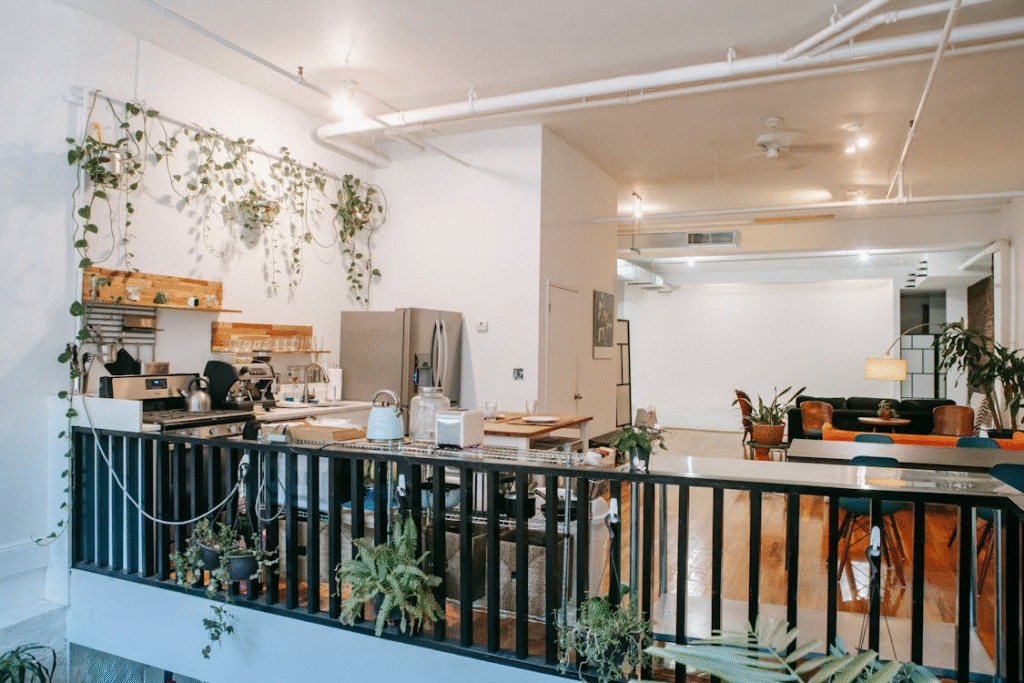
Daily life in a sober living home revolves around structure, accountability, and normalcy. Unlike treatment facilities where your schedule is fully managed, residents in recovery housing are expected to maintain jobs, attend school, or actively search for employment. The house provides guardrails — curfews, mandatory meetings, random drug testing — but within those boundaries, you have significant freedom. It’s a chance to practice real-world responsibilities in a supportive environment where relapse triggers are minimized and encouragement is built into the daily routine.
Most sober living homes operate on a consistent schedule that balances independence with community accountability. Morning check-ins help residents start the day with intention, while evening meetings reinforce recovery principles and allow housemates to share challenges or victories. Some homes require attendance at outside 12-step meetings or therapy sessions, while others leave that choice up to the individual as long as they remain sober and engaged.
Typical Daily Routine
- Morning: Check-in or accountability meeting
- Daytime: Work, classes, or job search
- Evening: Group meetings, recovery work, or community activities
- Night: Curfew and quiet hours
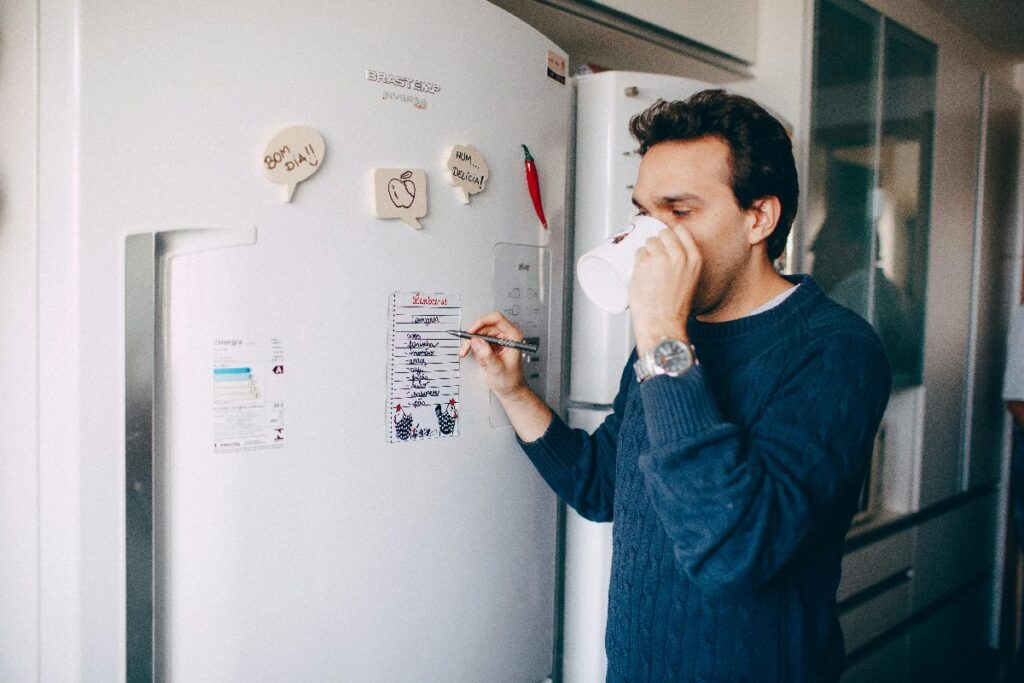
Residents are expected to maintain employment or schooling, attend recovery meetings, and respect others. In return, they gain structure, safety, and peer encouragement on their path to long-term sobriety. The balance between personal responsibility and collective support is what makes transitional living effective — you’re not isolated, but you’re also not dependent. You’re learning to stand on your own while surrounded by people who genuinely want to see you succeed.
Sober Living vs Halfway House vs Transitional Housing
The terms “sober living home”, “halfway house”, and “transitional housing” are often used interchangeably, but they describe different types of recovery residence with distinct purposes, rules, and funding structures. Understanding the differences helps you choose the right option for your situation — or explain your needs to case managers, probation officers, or family members who may not know the distinctions.
Here’s a side-by-side comparison of the three most common recovery housing models:
| Feature | Sober Living | Halfway House | Transitional Housing |
|---|---|---|---|
| Mandated? | No | Often court-ordered | No |
| Duration | 3–12 months | 3–6 months | 6–24 months |
| Cost | $500–$1,500/mo | Often free/subsidized | Varies |
| Freedom | High | Medium | High |
A sober living home is typically voluntary and privately run, with residents paying market-rate rent in exchange for a structured, peer-supported environment. A halfway house is often part of the criminal justice system — residents may be required to live there as a condition of parole or probation, and the program may include mandatory counseling, employment assistance, and stricter supervision. Transitional housing is a broader term that can include both sober living and halfway houses, but often refers to longer-term supportive housing for people transitioning out of homelessness, incarceration, or treatment.
Choosing between them depends on your legal status, financial situation, and recovery goals. If you’re court-mandated, a halfway house may be required. If you’re self-directed and paying out-of-pocket, sober living offers more autonomy. If you need long-term stability with wraparound services, transitional housing programs — often nonprofit or government-funded — may be the best fit.
🔗 Learn more about the key differences between sober living and halfway houses.
Who Can Live in Sober Living?
Sober living homes are designed for anyone committed to maintaining sobriety and rebuilding their life in a supportive environment. You don’t need to have completed formal treatment, and in most cases, you don’t need a referral from a counselor or court. The primary requirement is a genuine desire to stay sober and a willingness to respect the structure and community of the house. Whether you’re transitioning out of rehab, recovering from a relapse, or simply need a stable, substance-free place to live while you get back on your feet, recovery housing offers a path forward.
While every sober living home sets its own admission criteria, most share similar baseline expectations:
- Age: Most homes require residents to be 18 or older, though some offer youth-specific programs.
- Commitment to sobriety: You must agree to abstain from drugs and alcohol and submit to random drug/alcohol testing.
- Willingness to follow house rules: This includes curfews, chores, attendance at house meetings, and respect for other residents.
- Employment or active job search: Many homes require residents to work, attend school, or actively search for employment.
- Financial responsibility: You’ll need to pay monthly rent, though some homes offer payment plans or sliding scale options.
- No violent criminal history: Most homes screen for violent offenses or sex offenses that could pose a safety risk to other residents.
What about probation or parole? Many people on probation or parole live successfully in sober living homes, but acceptance depends on the individual facility. Some homes welcome court-involved residents and work directly with probation officers; others prefer voluntary placements only. Always disclose your legal status upfront — transparency builds trust and helps you find the right fit.
Specialized Sober Living Options
Not all recovery housing is one-size-fits-all. Many communities offer specialized sober living homes tailored to specific populations. Women-only homes provide gender-specific support and may focus on trauma-informed care or parenting resources. Veterans programs understand the unique challenges faced by those transitioning from military service and often integrate VA benefits and peer support from fellow veterans. Faith-based sober living homes incorporate spiritual practices and religious community into the recovery process, offering an environment where faith and sobriety go hand in hand.
If you have specific needs — whether related to trauma, mental health, gender identity, or cultural background — don’t hesitate to ask potential homes about their specializations. The right transitional living environment isn’t just about staying sober; it’s about feeling safe, understood, and supported as you rebuild.
Taking the Next Step
If you’re wondering whether you “qualify” for sober living, the answer is almost always yes — as long as you’re committed to sobriety and willing to participate in a structured, respectful community. Don’t let fear, shame, or uncertainty hold you back. Recovery housing exists because people like you deserve a second chance, and peer support works. Reach out, ask questions, and take that first step. The home that’s right for you is out there.
🔗 Ready to search? Find sober living homes by state or learn about financial assistance options if cost is a concern.

Rules & Requirements
Sober living home rules aren’t designed to control you — they exist to create a safe, structured environment where everyone can focus on recovery without distraction or conflict. These house rules provide the accountability many people need in early sobriety, when old habits and triggers still feel overwhelming. By agreeing to follow clear expectations, you’re not just protecting your own sobriety — you’re contributing to a community where everyone’s success depends on mutual respect and shared responsibility.
While every recovery housing program sets its own specific policies, most sober living homes share a core set of expectations. Here’s what you can typically expect:
Standard Sober Living House Rules
- Zero tolerance for drugs and alcohol: Possession, use, or being under the influence results in immediate dismissal.
- Random drug and alcohol testing: Residents must submit to testing at any time, often weekly or biweekly.
- Attend house meetings: Weekly or biweekly meetings keep communication open and address community concerns.
- Participate in recovery activities: Most homes require attendance at 12-step meetings, therapy, or other recovery support programs.
- Maintain employment, school, or active job search: Financial independence and daily structure are key to long-term stability.
- Pay rent on time: Residents are responsible for monthly rent and any agreed-upon deposits or fees.
- Complete assigned chores: Shared living means shared responsibility — cooking rotations, cleaning, yard work, etc.
- Respect curfew hours: Curfews (often 10 PM–12 AM on weeknights, later on weekends) help maintain routine and safety.
- No overnight guests without approval: Visitors may be allowed during certain hours, but overnight stays typically require advance permission.
- Treat others with respect: Harassment, violence, theft, or disruptive behavior will not be tolerated.
These rules may feel strict at first, especially if you’re used to living independently. But structure is one of the most powerful tools in early recovery. Curfews teach time management. Drug testing removes the temptation to “just this once.” Mandatory meetings keep you connected to a support system even when motivation fades. The goal isn’t control — it’s helping you build self-discipline that will carry you long after you leave the house.
What Happens If You Break the Rules?
Consequences depend on the severity of the violation and the policies of the individual sober living home. Minor infractions — like missing a house meeting or breaking curfew — might result in a warning or extra chores. Serious violations, especially drug or alcohol use, typically lead to immediate dismissal. Some homes offer one second chance after relapse if the resident immediately re-enters treatment; others maintain a strict zero-tolerance policy. The key is transparency: understand the rules before you move in, and communicate with house management if you’re struggling to meet expectations.
Remember, accountability isn’t punishment — it’s protection. When everyone follows the same rules, the entire community benefits. You’re not just staying sober for yourself; you’re helping create an environment where others can succeed too.

Building the Foundation for Independence
Living in recovery housing with clear structure teaches you how to manage responsibilities, respect boundaries, and show up for yourself and others. These aren’t just “house rules” — they’re life skills. The discipline you build here will serve you when you move into your own place, start a new job, or rebuild relationships with family. Embrace the structure, lean on the accountability, and trust the process.
🔗 Next step: Wondering how much sober living costs or if you can afford it? Learn about typical costs and pricing in the section below, or explore financial assistance and grants to help cover expenses.
How Much Does Sober Living Cost?
One of the first questions people ask about sober living is, “Can I afford it?” The honest answer depends on your location, the type of room you choose, and what’s included in the monthly rent. Sober living cost varies widely across the country, but understanding the typical price range helps you plan realistically and explore funding options if needed. Most recovery housing operates on a monthly rental model, similar to renting an apartment — but with the added benefit of built-in support, structure, and accountability.
Average Monthly Costs
Here’s what you can generally expect to pay for sober living in 2025:
| Type | Average Cost |
|---|---|
| Shared room | $500–$800/month |
| Private room | $1,000–$1,500/month |
| Security deposit | One month’s rent (refundable) |
These are national averages — actual costs vary significantly by region. Sober living homes in major cities like Los Angeles, New York, or San Francisco often charge $1,200–$2,000+ per month even for shared rooms, while smaller towns in the Midwest or South may offer rooms for $400–$600. Rural areas tend to have fewer options but lower prices overall.
What’s Included in Rent?
Most sober living homes include basic utilities and amenities in the monthly rent, so you’re not juggling multiple bills. Typical inclusions:
- Housing (bedroom and common areas)
- Utilities (electric, water, gas, trash)
- Wi-Fi
- Access to on-site recovery meetings or support groups
- Kitchen access and laundry facilities
Not always included: Groceries, personal supplies, drug testing fees ($10–$30 per test), and transportation costs. Some homes offer meal plans or communal grocery budgets; others expect residents to handle their own food. Always ask what’s covered before signing a lease.
Additional Costs to Consider
- Security deposit: Usually equal to one month’s rent, refundable when you move out (assuming no damages).
- Application or intake fees: Some homes charge $50–$150 to cover background checks and administrative costs.
- Personal supplies: Toiletries, bedding, work clothes — budget $100–$200 initially.
- Transportation: If the home isn’t near public transit, factor in gas or rideshare costs for work and meetings.
Why Paying Rent Matters
Some people wonder why transitional living programs charge rent instead of offering free housing. The answer is simple: paying rent builds accountability and reinforces the real-world skills you’ll need when you leave. Managing monthly housing fees on time teaches financial responsibility, strengthens your sense of independence, and prepares you for life beyond recovery housing. It also ensures residents are invested in the community — when everyone contributes financially, there’s mutual respect for the space and the rules.
Sober Living vs. Traditional Rehab Costs
Compared to inpatient treatment, which can cost $5,000–$30,000+ per month, sober living is significantly more affordable. While rehab provides intensive clinical care, sober living offers a sustainable, long-term option for people who’ve completed treatment or need ongoing support without the high price tag of 24/7 medical supervision. Many people transition from rehab into sober living to maintain momentum without breaking the bank.
Need help paying? Don’t let cost stop you from finding safe recovery housing. The next section covers grants, scholarships, state vouchers, and other financial assistance programs that can make sober living affordable — or even free.
🔗 Learn more: Financial assistance and grants for sober living or find affordable and low-income housing options.

Financial Assistance & Grants
Cost is one of the biggest barriers keeping people from accessing safe recovery housing. If you’re worried about affording sober living, you’re not alone — and the good news is that financial assistance for sober living exists through government programs, nonprofits, veteran services, and community organizations. While most programs won’t cover 100% of your rent indefinitely, even partial support can make the difference between staying in recovery and returning to unstable housing. Here are the most reliable ways to get help paying for sober living in 2025.
State-Funded Housing Vouchers & Behavioral Health Programs
Many states offer housing support programs through their departments of behavioral health or substance abuse services, often funded by SAMHSA (Substance Abuse and Mental Health Services Administration) grants. These vouchers can cover part or all of your monthly rent for a set period — typically 3–6 months — while you stabilize employment and income. Eligibility usually requires proof of recovery commitment, completion of treatment, or referral from a case manager. Contact your state’s behavioral health agency or call 211 to ask about available vouchers in your area.
Recovery Scholarships from Nonprofits & Treatment Centers
Some nonprofit organizations and treatment facilities offer sober living grants or scholarships to graduates of their programs or individuals in financial need. Examples include local recovery foundations, alumni groups from rehab centers, and national organizations like the Salvation Army or Mission Asset Fund. These scholarships may cover your first month’s rent, security deposit, or ongoing partial support. Reach out to the treatment center you attended or search for recovery-focused nonprofits in your state.
VA & HUD Programs for Veterans
Veterans have access to specialized housing support through the VA’s Supportive Services for Veteran Families (SSVF) program and HUD-VASH vouchers. These programs can help cover rent, deposits, and utilities for veterans transitioning out of homelessness or incarceration. Some sober living homes specifically accept VA benefits or work directly with VA case managers. If you’re a veteran, contact your local VA office or visit VA.gov/homeless to explore eligibility.
Faith-Based & Community-Funded Homes
Faith-based recovery housing — run by churches, ministries, or religious nonprofits — often operates on sliding-scale rent or accepts residents who can’t pay full cost. These homes may ask for volunteer work, participation in faith-based activities, or commitment to community service in exchange for reduced fees. While not free, they’re often more affordable than market-rate sober living. Search locally through church networks or organizations like Teen Challenge or The Salvation Army Adult Rehabilitation Centers.
Family Support, Crowdfunding & Personal Loans
Many people in recovery rely on family contributions, crowdfunding campaigns (like GoFundMe), or small personal loans from credit unions to cover initial move-in costs. If family members are willing to help, consider asking them to pay the first month’s rent or security deposit directly to the sober living home. Some residents also work out payment plans with house managers, paying weekly instead of monthly until they establish steady income.
How to Apply & Qualify
Most financial assistance programs require basic documentation: proof of sobriety commitment (like a letter from a counselor or completion certificate from treatment), income verification (or proof of job search), and sometimes a criminal background check. You’ll typically need to show that you’re actively working toward stability — not just looking for free housing. Be honest about your situation, ask questions, and follow up consistently. Case managers, probation officers, and treatment center staff can often help you navigate applications.
Quick Tips for Move-In Costs
- Start small: Save $25–$50 per week toward your deposit — even if it takes two months, you’ll have a plan.
- Ask about payment plans: Some sober living homes allow residents to split the security deposit over 2–3 months.
- Sell or trade: If you have items you don’t need (electronics, tools, etc.), consider selling them to raise quick cash.
- Use community resources: Local churches, recovery groups, or reentry programs may offer one-time emergency grants for housing costs.
Financial barriers are real, but they don’t have to stop your recovery. Help exists — you just need to know where to look and be willing to ask. Stable housing is worth the effort, and every dollar you invest in safe recovery housing is an investment in your future.
Next, we’ll look at how to actually find a sober living home near you — and what questions to ask before moving in.
🔗 Related resources: Find affordable and low-income sober living options or browse homes by state.

How to Find a Sober Living Home
Finding the right sober living home can feel overwhelming, especially when you’re already dealing with the stress of early recovery or helping a loved one navigate their options. Not all recovery housing is created equal — some homes are well-managed, licensed, and supportive, while others lack structure, safety, or accountability. The key is knowing where to search, what questions to ask, and how to spot red flags before you sign a lease or pay a deposit.
Where to Search Safely
Start your search with verified, trustworthy sources that vet homes for quality and safety. Here are the best places to find sober living home options:
- Use a verified sober living directory: Our state-by-state directory connects you with accredited homes across the country, complete with contact info, pricing, and reviews.
- Check NARR-certified homes: The National Alliance for Recovery Residences (NARR) certifies homes that meet quality and safety standards. Search at NARR.us for certified options in your state.
- Ask for referrals: Treatment centers, therapists, probation officers, and case managers often have lists of trusted sober living homes they’ve worked with before.
- Call 211: Dial 211 from anywhere in the U.S. to connect with local recovery resources, including sober living referrals and housing assistance programs.
- Contact local nonprofits: Recovery-focused organizations like the Salvation Army, local recovery coalitions, or faith-based groups often run or recommend sober living programs.
Questions to Ask Before Moving In
Once you’ve identified potential homes, don’t rush into a decision. Schedule a tour, talk to current residents if possible, and ask these critical questions:
- Is the home licensed or certified? (NARR certification or state licensing shows accountability)
- What are the house rules and curfew? (Make sure you can commit to the structure)
- How many residents live there? (Smaller homes often feel more personal; larger ones offer more peer support)
- Is there staff on-site 24/7? (Some homes have live-in managers; others check in daily or weekly)
- What’s included in the monthly rent? (Utilities, Wi-Fi, meals, meetings, drug testing?)
- What happens if someone relapses? (Understand the policy before it affects you or someone else)
- Can I see a copy of the lease or agreement? (Everything should be in writing)
- Are there current residents I can talk to? (Honest feedback from people living there is invaluable)
Red Flags to Watch For
Trust your instincts. If something feels off, it probably is. Avoid homes that:
- Have no clear house rules or written agreement
- Refuse to let you tour the property before paying
- Ask for large cash payments upfront with no receipt or contract
- Show signs of poor maintenance, overcrowding, or unsafe conditions
- Have staff or managers who are defensive, vague, or unprofessional
- Don’t provide references, licensing info, or contact details for accountability
A legitimate sober living home should feel safe, transparent, and structured. You should walk away from a tour or phone call feeling informed and respected — not pressured or confused.
Tour Before You Commit
Whenever possible, visit the home in person before moving in. Pay attention to the cleanliness, the condition of common areas, and the general vibe among residents. Does it feel welcoming and supportive, or chaotic and tense? Trust your gut. Recovery housing should be a place where you feel safe enough to focus on your sobriety, not a place that adds stress or uncertainty.
If an in-person tour isn’t possible, ask for a virtual walkthrough via video call. A reputable home will accommodate this request without hesitation.
Ready to Start Your Search?
Finding the right recovery housing takes time and research, but it’s one of the most important decisions you’ll make in early sobriety. Don’t settle for the first option you find — compare homes, ask questions, and choose a place that aligns with your recovery goals and lifestyle needs.
🔗 Start here: Browse our sober living directory by state to find accredited homes near you, or explore affordable housing options if cost is a concern.
Next, we’ll go over what to expect during your first week in sober living — so you can start strong and settle in smoothly.

What to Expect in Your First Week
The first week in sober living is about adjustment and establishing routine. Moving into recovery housing can feel nerve-wracking — new people, new rules, and the weight of making this work. But here’s the good news: structure kicks in immediately, and most residents report feeling relief once they settle in. The first few days are designed to help you get oriented, meet your housemates, and understand what’s expected. You’re not thrown into the deep end alone — you’re guided into a rhythm that supports your recovery from day one.
What Happens During Your First Week
Every sober living home operates a little differently, but most follow a similar intake and orientation process. Here’s what typically happens:
Day 1: Intake & Paperwork
- Complete intake forms: Basic personal information, emergency contacts, and medical history (if required).
- Pay first month’s rent and deposit: You’ll receive a receipt and signed lease or occupancy agreement.
- Drug and alcohol test: Establishing your baseline sobriety — this is standard and non-negotiable.
- Room assignment: You’ll be shown to your room and given keys, bedding info, and storage space.
Days 1–3: Orientation & House Rules
- House tour: Common areas, kitchen, laundry, quiet spaces, and where house meetings are held.
- Rules review: Curfew times, chore schedules, meeting attendance requirements, visitor policies, and consequences for violations.
- Meet the house manager: Your main point of contact for questions, concerns, or check-ins.
- Introduction to housemates: Some homes hold welcome meetings; others let introductions happen organically during meals or group time.
Days 3–7: Finding Your Routine
- Chore assignments: You’ll be added to the cleaning rotation — kitchen duty, bathroom cleaning, trash, yard work, etc.
- Recovery meeting schedule: Learn which on-site or off-site meetings you’re expected to attend and when.
- Set short-term goals: Work with your house manager or case manager to outline immediate priorities — job search, therapy appointments, budgeting, etc.
- Settle in emotionally: By the end of the week, the newness fades and routine feels more natural.
The Emotional Side: It’s Normal to Feel Nervous
Feeling anxious, uncertain, or even homesick in your first few days is completely normal. You’re in a new environment, surrounded by strangers, and trying to prove to yourself that you can do this. But most residents describe a shift around day 3 or 4 — the nervousness softens, the routine clicks in, and the weight of isolation lifts. You’re no longer managing sobriety alone; you’re part of a community where everyone understands the struggle. That shared experience builds trust faster than you might expect.
Tips for Success in Your First Week
- Communicate openly: If you’re struggling, confused, or need help, tell your house manager or a peer. Silence makes things harder.
- Show up on time: Attend all required meetings, check-ins, and house activities. Consistency builds trust and credibility.
- Keep your area clean: Respect shared spaces and your own room — it shows accountability and consideration for others.
- Follow curfew and sober living rules: Even if they feel restrictive, they exist for a reason. Compliance now = freedom later.
- Focus on small wins: Made it through a full day sober? Showed up to a meeting? Paid rent on time? Celebrate those victories.
“You don’t have to get it perfect — you just have to show up, stay consistent, and give yourself credit for trying.”
You’re Not Alone
By the end of your first week in transitional living, you’ll realize something important: you’re not alone. You’re part of a community that genuinely wants to see you succeed. The people around you have been where you are — nervous, uncertain, starting over — and they made it through. So will you.
Still have questions? The next section answers the most common questions people have about sober living — from how long you can stay to what happens if you relapse.
🔗 Jump to: Frequently Asked Questions or find a sober living home near you.
Frequently Asked Questions
How long can you stay in a sober living home?
Most people stay in sober living for 3–12 months, though there’s no strict time limit. The goal is to stay long enough to build stability, establish employment, and strengthen your recovery foundation. Some residents stay a year or longer if they need extended support, while others transition out after a few months once they’re financially and emotionally ready for independent living.
Are sober living homes licensed?
Licensing requirements vary by state — some states require sober living homes to be licensed through health or behavioral services departments, while others have no formal licensing process. However, many quality homes seek voluntary certification through organizations like NARR (National Alliance for Recovery Residences), which sets national standards for safety and accountability. Always ask if a home is licensed or certified, and check your state’s sober living directory for verified options.
Do you need insurance to live in sober living?
No, you don’t need health insurance to live in a sober living home. Sober living is residential housing, not medical treatment, so insurance doesn’t typically cover the cost. However, if you attend therapy or counseling while living there, your insurance may cover those services separately. Focus on budgeting for monthly rent rather than relying on insurance benefits.
Can couples or families live together in sober living?
Most sober living homes separate men and women to minimize distractions and maintain focus on recovery, but some programs do accept couples or families — especially faith-based or family-focused recovery housing. Availability is limited, so if you’re looking for couple or family housing, mention this upfront when contacting homes. Policies vary widely by location and house philosophy.
What happens if someone relapses?
Relapse policies depend on the individual home’s sober living rules. Most homes enforce a zero-tolerance policy — if you use drugs or alcohol, you’ll be asked to leave immediately to protect the safety and sobriety of other residents. Some homes offer one second chance if you immediately re-enter treatment and demonstrate commitment to recovery. Transparency and honesty are critical if you’re struggling — reach out to your house manager before a relapse happens.
What’s the difference between sober living and halfway houses?
Sober living homes are voluntary, privately run, and typically paid for by residents themselves, offering high levels of freedom and peer support. Halfway houses are often court-mandated, government-funded, and include stricter supervision as part of probation or parole. Both provide structure and accountability, but sober living emphasizes personal responsibility while halfway houses focus on compliance with legal requirements. Learn more in our detailed comparison guide.
Note: Laws and policies differ by state and individual facility. For location-specific information, explore our sober living directory by state.
Summary: Your Path Forward Starts with Safe Housing
Sober living homes provide the structure, community, and accountability that make long-term recovery possible. Whether you’re transitioning from treatment, rebuilding after relapse, or simply need a stable, substance-free environment to focus on your sobriety, recovery housing offers a proven pathway to independence. The rules, routines, and peer support aren’t restrictions — they’re the framework that helps you build the discipline, confidence, and life skills you’ll need when you’re ready to live on your own.
Don’t let fear, cost, or uncertainty hold you back. Stable housing is one of the most important investments you can make in your recovery, and help exists to make it accessible. Take the next step today — research homes in your area, ask questions, tour facilities, and trust that you deserve a safe place to rebuild your life. You’ve already taken the hardest step by seeking information. Now it’s time to act.
Ready to take the next step? Find sober living homes by state or learn about financial assistance options to help cover costs.