
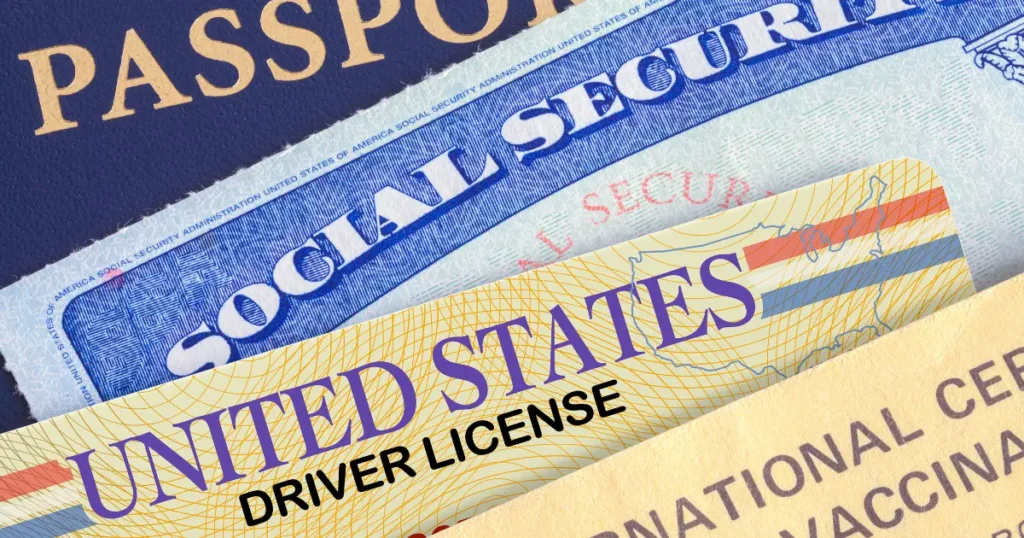
Without valid ID, no system processes you. Jobs, housing, benefits, bank accounts — all require proof of identity before anything moves. This is procedural, not personal. The sequence is fixed. Follow it or waste weeks bouncing between offices that each require what the previous one issues.
The Required Sequence
Three documents. Each requires the previous one. There is no shortcut.
Step 1 — Birth certificate. Contact the vital records office in the state where you were born. Request a certified copy. Cost: $10–$30. Timeline: 2–6 weeks if out of state, faster in person. This document proves you exist to every system that follows.
Step 2 — Social Security card. Once birth certificate arrives, go to the Social Security Administration. Bring the birth certificate. Fill out Form SS-5. Card arrives by mail in 1–2 weeks. Free. Do not go before the birth certificate arrives — SSA will send you away.
Step 3 — State ID or driver’s license. Once you have both documents, go to the DMV. Bring birth certificate, Social Security card, and proof of current address. Cost: $10–$50. Issued same day or by mail depending on state.
Minimum timeline when nothing goes wrong: 3–6 weeks. Going to DMV first wastes transportation and hours. They send you away for missing documents. Start with birth certificate regardless of what feels most urgent.
Proof of Address Without Stable Housing
DMV requires proof of address. Shelters and reentry programs can provide letters on official letterhead stating you reside there. Some DMVs accept these — call ahead and confirm before traveling. Policies vary by location and sometimes by individual clerk.
If a shelter letter is not accepted, ask a reentry caseworker to accompany you. Experienced caseworkers know which locations accept which documents and can intervene when clerks give incorrect information.
Fee Waivers and Cost Assistance
Some states waive vital records fees for people experiencing homelessness or financial hardship. Ask when requesting the certificate — not guaranteed but available in some states. Some reentry nonprofits and faith-based organizations maintain small emergency funds ($50–$200) specifically for ID document costs. Call 211 to find local programs. Some will pay vital records offices and DMV directly rather than giving cash.
If You Have Prison Release Paperwork
Some Social Security offices accept prison release documents as temporary identity verification. This is not universal. Bring release paperwork to the SSA appointment and ask before assuming it will or will not work. Policies vary by office.
Common Mistakes
Going to DMV first. They require Social Security card and birth certificate. You do not have them. Rejected. Trip wasted.
Scheduling all three appointments in the same week. Birth certificate has not arrived yet. SSA and DMV appointments fail. Multiple wasted trips.
Assuming explanations replace paperwork. Clerks cannot override system requirements regardless of how reasonable your situation is. Meet the requirements first.
Waiting passively for documents to arrive. Use processing time to secure proof of address, locate fee assistance, and prepare for the next step. Waiting time is preparation time.
Once ID Exists
State ID unlocks benefits enrollment, bank accounts, job applications, and housing applications. It does not automatically update any system — you bring it to each office and use it to complete processes that were blocked without it.
Next step after ID: benefits enrollment. See Public Benefits After Incarceration for the enrollment sequence. For the full access stack and how ID connects to everything downstream, see Reentry Access Stack.